

What to expect at a specialty coffee bar in Puchong if you usually drink kopi
By Sarah · Updated 2026-06-08
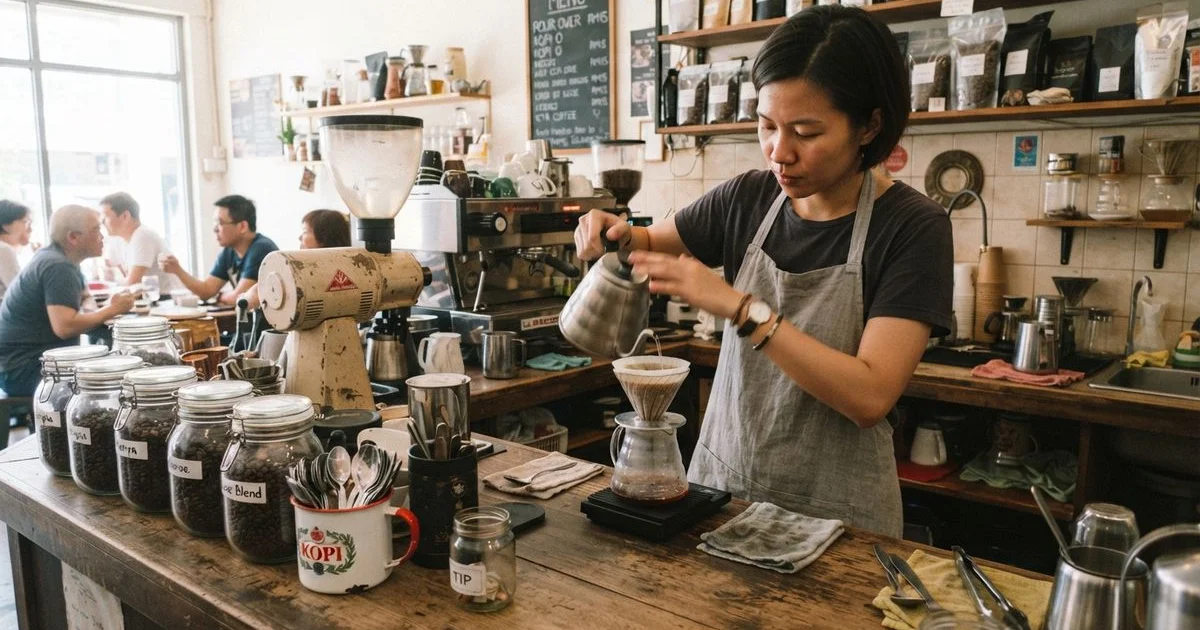
If your usual order is a kopi or teh tarik at the local kopitiam, walking into one of Puchong’s specialty coffee bars for the first time can feel like a different world. The menu reads differently, the coffee tastes different, and the whole pace of ordering moves slower. None of it is complicated once you know roughly what to expect.
The biggest difference: taste
Kopi is usually made from darker-roasted beans and served with condensed or sweetened milk, which gives it a bold, slightly bitter, sweet flavour that’s familiar and comforting. Specialty coffee tends to use lighter roasts that highlight the bean’s natural character, fruity, floral, nutty, depending on where it’s from, and is often served with less sugar or none at all. If you order a specialty coffee expecting kopi-level sweetness, it can taste sharp or even sour by comparison. That’s not a fault, it’s just a different style of coffee altogether.
| What you’re used to | Specialty coffee equivalent | What changes |
|---|---|---|
| Kopi (dark roast, condensed milk) | Latte or flat white | Lighter roast, less sweetness, steamed milk texture |
| Kopi-O (black, sweetened) | Pour-over or filter coffee | No milk, more pronounced acidity and flavour notes |
| Teh tarik | Matcha or specialty tea latte | Different base entirely, milkier and less sweet |
Ordering feels slower, and that’s normal
At a kopitiam, you order and your drink often arrives within a minute or two. At a specialty coffee bar, expect the barista to take more time, grinding fresh, weighing shots, timing the pour. This isn’t slow service, it’s part of how the coffee is made properly. If you’re in a rush, it’s worth knowing this ahead of time rather than being caught off guard.
Price reflects the process
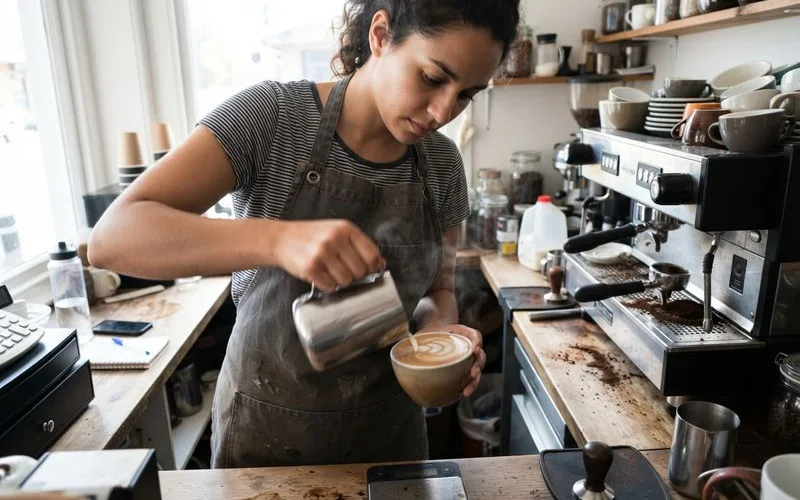
Specialty coffee usually costs more than kopi, often two to three times as much. That gap comes from the beans themselves (higher grade, often traceable to a specific farm or region), plus the time and skill that goes into each cup. If price matters more to you than trying something new, it’s worth knowing this upfront rather than being surprised at the till.
What to order if you’re easing in
You don’t need to jump straight to a black pour-over. A flat white or latte is a gentler way in, since it still has steamed milk and a familiar texture, just with different beans and less sweetness than kopi. If you want to explore further, ask the barista what they’d recommend based on what you usually drink; most are happy to talk you through the menu rather than expecting you to already know the terms.
The atmosphere is different too
Beyond the coffee itself, the room tends to feel different. A kopitiam is usually loud, fast-moving, and functional, in and out quickly. A specialty coffee bar leans quieter and slower-paced, often designed for lingering, working, or a relaxed catch-up rather than a quick stop. Neither is better, but if you’re expecting the brisk pace of a kopitiam and walk into a specialty cafe built for a slower visit, the mismatch in expectations can feel odd until you adjust to what the space is actually built for.
You don’t need the vocabulary to order well
Terms like single origin, pour-over, or specialty grade can feel like a barrier, but they’re not required knowledge to order confidently. Describing what you like (“something not too bitter” or “similar to a latte but stronger”) works just as well as knowing the technical terms, and most baristas in Puchong’s growing specialty scene are used to guiding first-timers through it.
Puchong’s specialty coffee hub is the largest category on the directory, so there’s plenty of choice if you want to explore beyond your first visit. Our methodology explains how these cafes are ranked, and you can always head to the homepage to browse other cafe categories too.
The switch from kopi to specialty coffee isn’t about one being better than the other, they’re just different drinks built for different moods. Go in expecting a slower pace, a different flavour profile, and a higher price, and the whole experience makes a lot more sense.
FAQ
- Will specialty coffee taste completely different from the kopi I'm used to?
- Yes, in most cases. Kopi is typically dark-roasted and served with condensed or sweetened milk, giving a bold, sweet flavour. Specialty coffee is usually lighter roasted and served with less or no sugar, so the natural fruit or floral notes in the bean come through more.
- Is specialty coffee always more expensive than kopi?
- Generally yes, often two to three times the price of a basic kopi. You are paying for higher-grade beans, more careful sourcing, and more preparation time from the barista.
- What should I order if I'm not sure I'll like it?
- Ask the barista for something closer to what you already enjoy. If you like your kopi milky and sweet, a flat white or latte is a gentler entry point than a straight black pour-over.
- Do I need to know coffee terminology to order confidently?
- No. Most baristas at specialty cafes are used to explaining terms and happy to recommend something based on what you normally drink, so you can order in plain language and let them guide you.