

Food safety and hygiene: what to check before you sit down at a Puchong cafe
By Sarah · Updated 2026-06-17
Most cafes in Puchong run clean, well-managed kitchens, but food hygiene is genuinely worth paying attention to rather than assuming from a nice interior alone. This is general guidance to help you make a quick judgement call before you order, not a substitute for official food safety inspection or advice if you have a specific health concern.
What you can actually observe
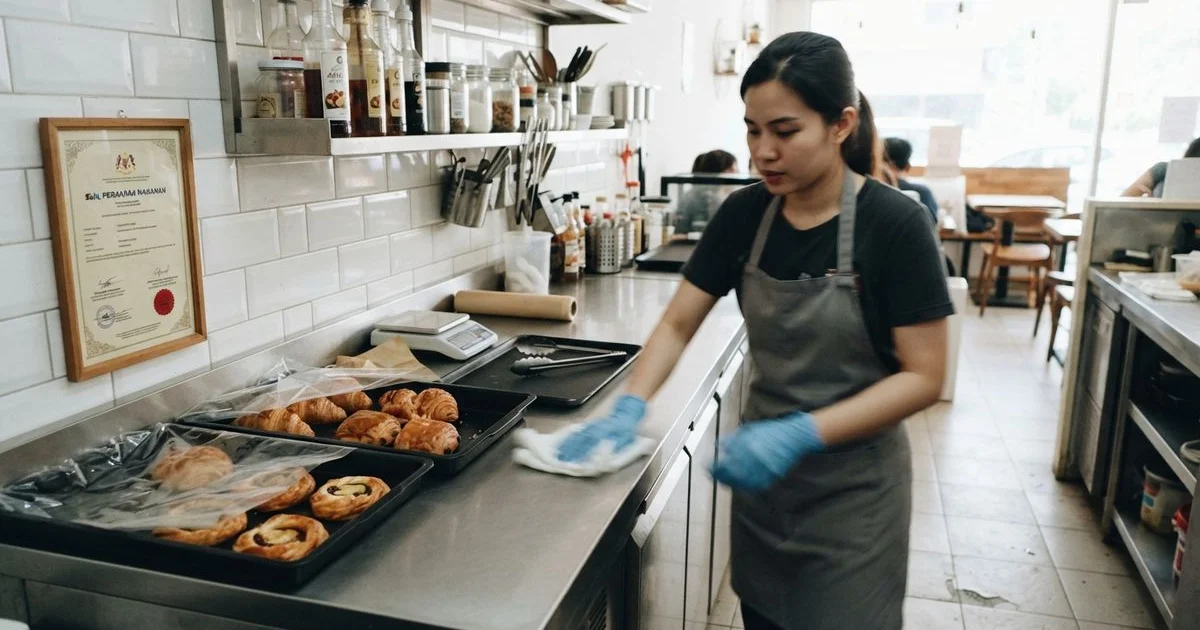
Unless the kitchen is open or visible from your seat, you’re working with limited information as a customer. That said, a few visible signals are still useful: how clean the dining area and counters look, whether food on display is covered or left exposed, and how staff handle the transition between cash and food, ideally not without a hand wash or glove change in between.
| What to look for | What it suggests |
|---|---|
| Covered, chilled display items | Reasonable food storage practice |
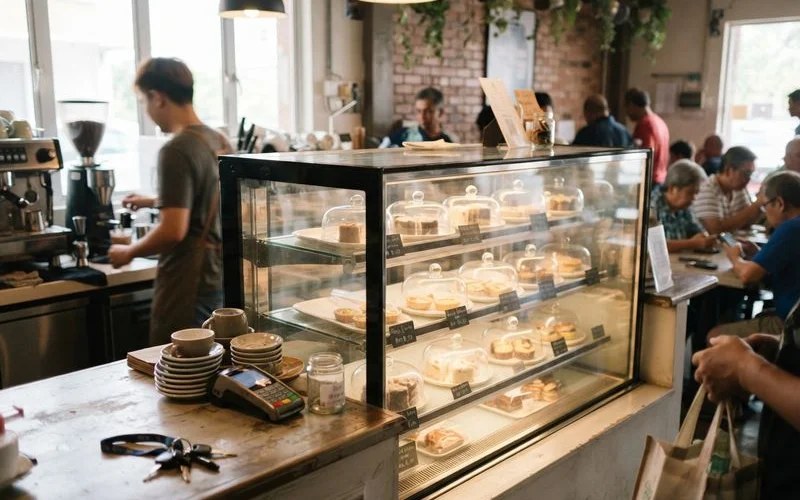
| Uncovered food sitting at room temperature | Worth caution, especially for cream or dairy-based items |
| Staff switching between cash handling and food without a pause | A hygiene gap worth noticing |
| Clean, uncluttered prep counters (if visible) | Generally a good sign |
Display cases deserve a second look
Cakes, pastries, and dairy-based desserts are more sensitive to temperature and time than dry baked goods. A properly run display case keeps these chilled and rotates stock regularly. If a cream cake has clearly been sitting out at room temperature for a while, or the display case doesn’t seem to be actively cooled, it’s a reasonable moment to ask how fresh the item is before ordering it.
Review patterns matter too
If you can’t observe the kitchen directly, a cafe’s review history over time is a reasonable secondary signal. Occasional inconsistency in food quality is common and not necessarily a hygiene issue, kitchens have off days. Repeated, specific complaints about food handling or cleanliness across multiple visits and reviewers are more worth taking seriously than a single bad review. Look for whether complaints mention the same issue more than once rather than a single isolated report, since a pattern across different customers over time carries more weight than one bad experience.
Questions that are fair to ask
- “How long has this been out?” for anything in a display case that looks like it’s been sitting a while.
- “Is this freshly made or from earlier?” for hot food items.
- Any allergy-related question, a well-run kitchen should be able to answer confidently, not vaguely.
A confident, direct answer is a good sign. Hesitation or an unwillingness to answer is worth factoring into your decision.
Everyday habits worth noticing
Beyond the display case, a few small staff habits reveal a lot about how seriously a cafe treats hygiene. Hair tied back or covered, clean aprons, and gloves used specifically for food handling rather than general tasks are all reasonable signs of a well-run kitchen. None of these alone guarantee a spotless operation, and their absence doesn’t automatically mean a problem, but taken together they build a fuller picture than any single detail on its own.
When to just trust your instinct
If something looks or smells off, trust that instinct over convincing yourself otherwise because the place looked nice from outside. This applies to any food establishment, not specifically Puchong cafes, but it’s worth repeating: a good-looking interior and a hygienic kitchen are not the same thing, and one doesn’t guarantee the other.
This guide offers general observations to help you make quick judgement calls, not professional food safety advice. If you have a specific health condition or severe allergy, always confirm directly with the cafe rather than relying on visual cues alone.
Browsing our cafes in Puchong directory is a good way to see review history and sentiment themes before you visit somewhere new. Our methodology explains how we score cafes generally across the site.
Most hygiene issues are avoidable with a quick glance and a willingness to ask a simple question. Trust visible signals, check display cases carefully, and don’t hesitate to ask staff directly if something seems off. A few extra seconds of observation before you order costs nothing and can save you an unpleasant meal later.
FAQ
- What are the fastest hygiene red flags to spot?
- Visible clutter or grime around food prep areas, food left uncovered at room temperature, and staff handling cash and food without washing hands in between are the quickest warning signs.
- Does a clean-looking dining area guarantee a clean kitchen?
- Not necessarily. Front-of-house presentation and back-of-house food handling are managed separately in some places. If the kitchen is visible, it's worth a quick glance; if not, review patterns over time are a useful secondary check.
- Is it reasonable to ask staff about food storage or preparation?
- Yes, a reasonably run cafe won't mind a polite question, especially if you have a specific concern like an allergy or how long something has been sitting out.
- Should inconsistent food quality worry me from a hygiene standpoint?
- Not automatically, inconsistency is often about kitchen skill or staffing, not hygiene. But if it's paired with other red flags, like food sitting out or unclean surfaces, it's worth being more cautious.